Dry eye is one of the most common eye conditions we see in the practice. While it is often mild, it can have a significant impact on comfort, vision, and everyday activities if left untreated.
What is dry eye?
Dry eye occurs when your eyes do not produce enough tears, or when the tears you do produce are of poor quality and evaporate too quickly. Tears are essential for keeping the surface of the eye smooth, comfortable, and clear for good vision.
A healthy tear film is made up of three layers, oil, water, and mucus, which work together to lubricate and protect the eye. If any of these layers are disrupted, dry eye symptoms can develop.
Common symptoms
Dry eye can feel different for each person, but common symptoms include:
- A gritty or sandy sensation (like something in the eye)
- Burning, stinging, or irritation
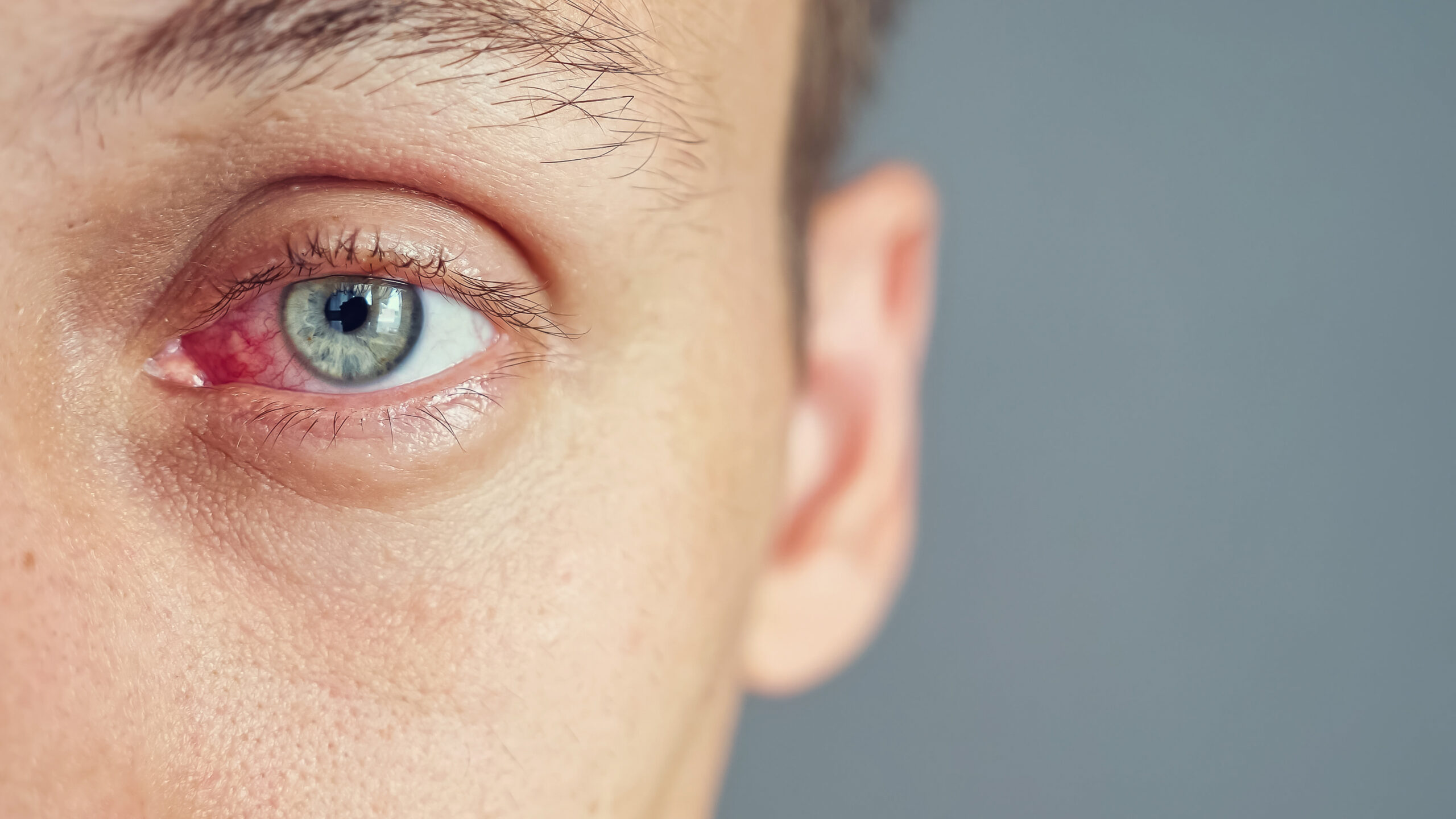
- Red or tired-looking eyes
- Blurred or fluctuating vision
- Sensitivity to light
- Watery eyes (a surprising but common response to dryness)
Symptoms may be worse after long periods of reading, screen use, or in air-conditioned environments.
What causes dry eye?
Dry eye is usually caused by a combination of factors. These may include:
- Ageing – tear production tends to reduce over time
- Screen use – reduced blinking can cause tears to evaporate more quickly
- Environmental factors – air conditioning, heating, wind, and dry air
- Contact lens wear
- Certain medications or medical conditions
- Eyelid gland dysfunction (meibomian gland dysfunction)
In many cases, dry eye is a long-term (chronic) condition that requires ongoing management.
How can dry eye be treated?
The good news is that dry eye is usually very manageable. Treatment depends on the cause and severity, but may include:
- Artificial tears or lubricating eye drops to keep the eyes moist
- Warm compresses and eyelid care to improve oil flow in the tear film
- Lifestyle changes, such as taking regular breaks from screens and improving your environment
- Specialist treatments, if symptoms are more persistent or severe Simple daily habits, like blinking regularly and staying hydrated, can also make a big difference.
When should you seek advice?
If your symptoms persist, worsen, or begin to affect your vision or comfort, it’s important to seek professional advice. We can assess your tear film, identify the underlying cause, and recommend the most appropriate treatment plan.
Supporting your eye health
Dry eye may be common, but it shouldn’t be ignored. With the right care and guidance, most people can achieve lasting comfort and clear vision.
If you’re experiencing symptoms, speak to our team at Simon Berry Optometrist, we’re here to help you find the right solution for your eyes.